
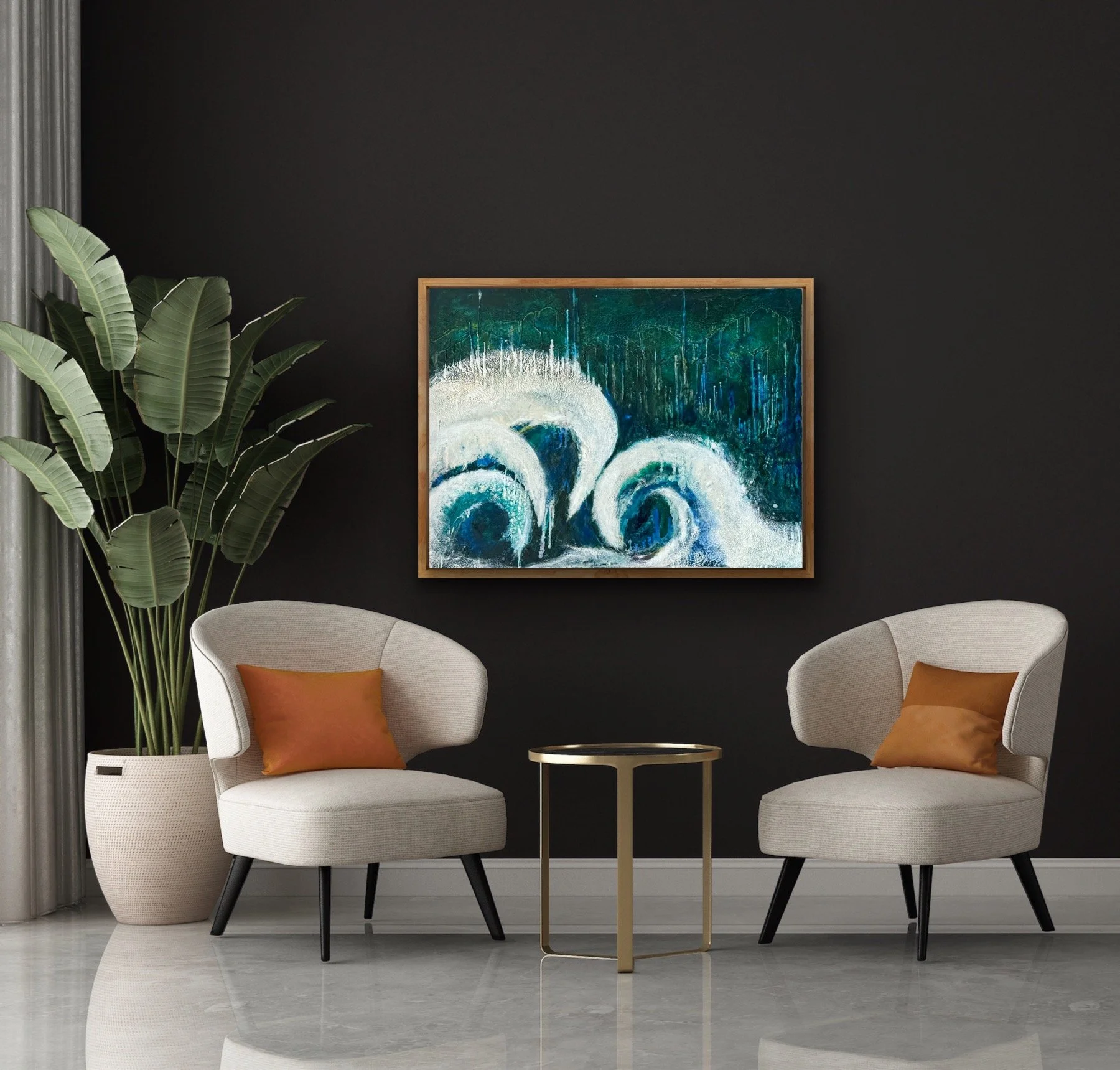
People always lean in close when they see an encaustic painting for the first time. They want to touch it. They ask if it's glass, or resin, or some kind of glaze. Then I tell them it's wax, and their whole face changes. I've been painting with hot wax for 24 years now, and I still feel that same pull every time I pick up a brush. So let me show you how an encaustic painting actually comes to life, from a block of beeswax to a finished piece on the wall.
What Encaustic Actually Means:
Encaustic comes from a Greek word meaning “to burn in.” That's the heart of it. Every layer of paint is melted on, then fused with heat so it becomes part of the layer beneath it. Without that heat, it isn't encaustic. The paint itself is simple and ancient: beeswax, damar resin (a tree sap that hardens the wax and gives it that glow), and pigment. That's it. No solvents, no water, no drying time. The moment the wax cools, it's set.
A Medium with a Very Long Memory:
Encaustic is one of the oldest painting methods we know. The Greeks used it on ships and panels. The most famous examples are the Fayum mummy portraits from Roman Egypt, painted nearly 2,000 years ago. Many of those faces still look back at you with color so fresh it's startling. I think about that a lot. When I paint a Lowcountry marsh in wax, I'm using the same materials those artists used. There's something grounding in that.



What I Use in the Studio:
To start your encaustic journey, gather a few essential materials:
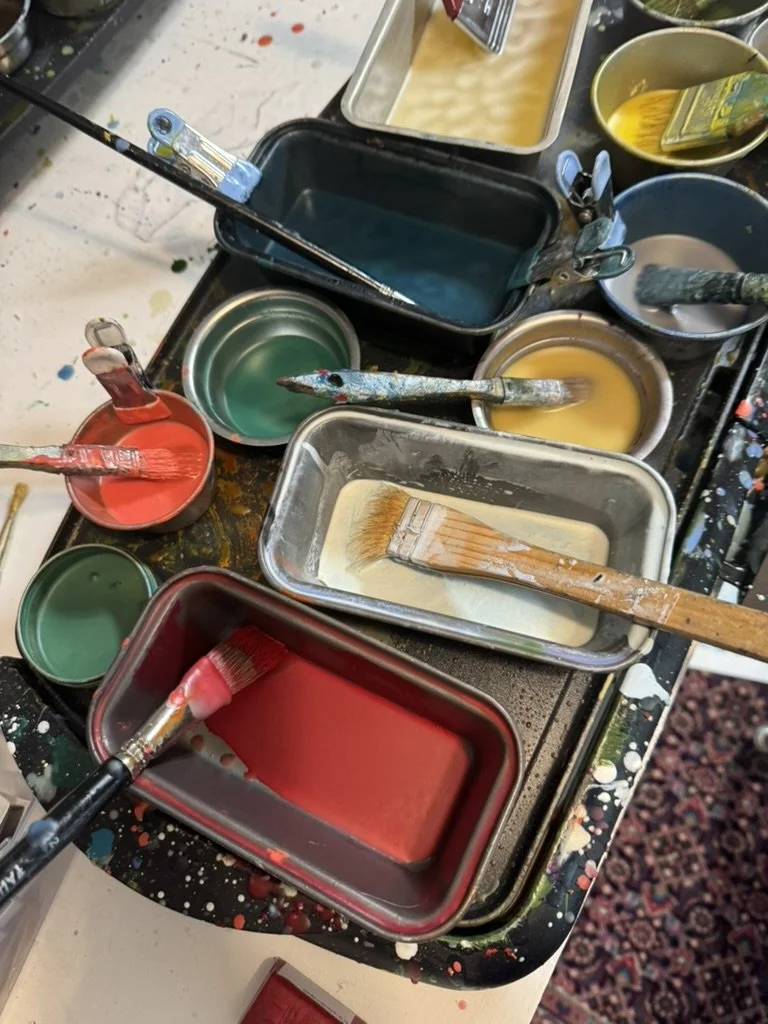
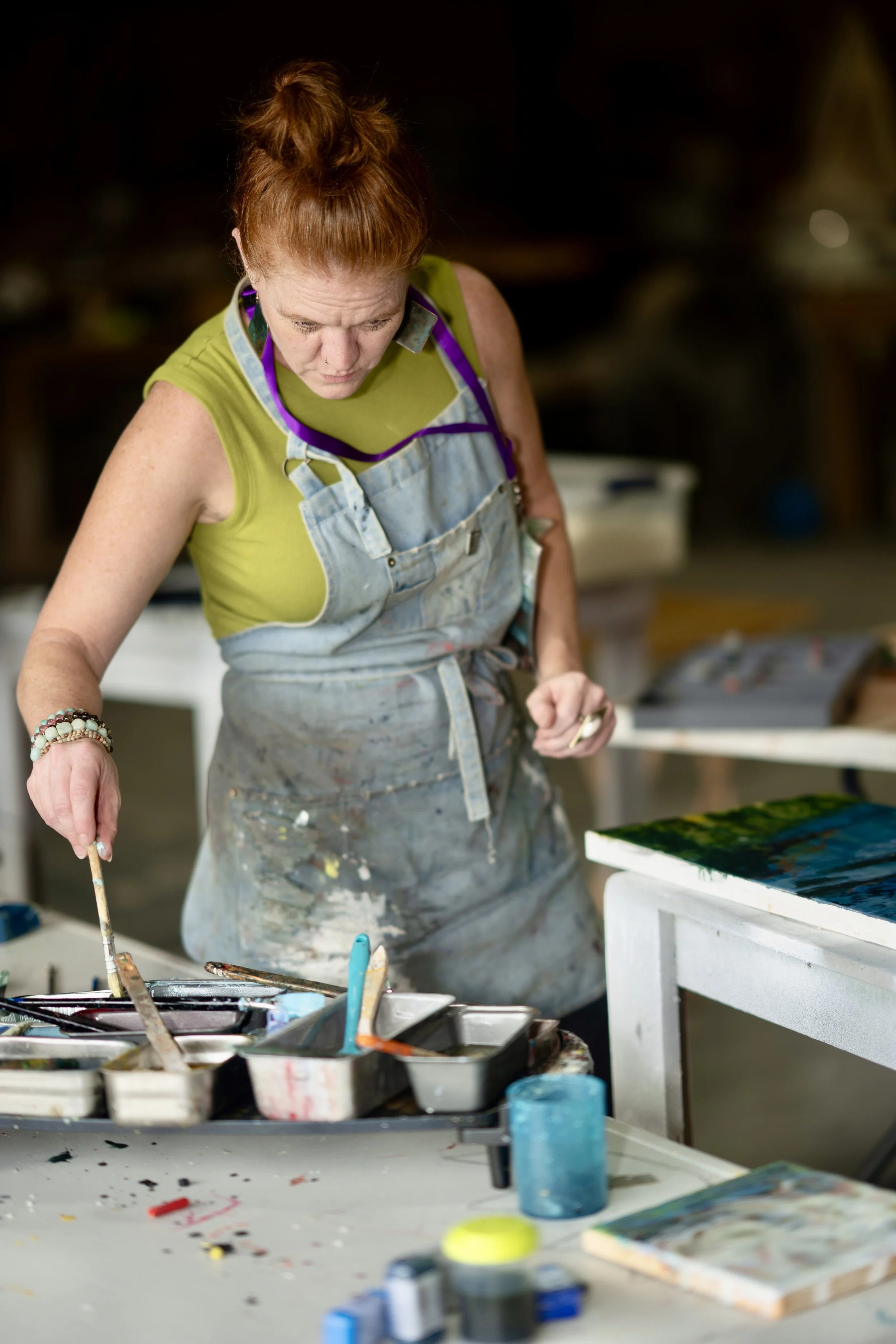
A Heated Palette: This is a flat metal surface that keeps my wax melted and ready to paint, usually around 200°F.
Encaustic Medium and Paint: Clear medium for building depth, and pigmented wax for color.
Natural Bristle Brushes: Synthetic brushes melt, so these live on the palette and stay loaded with wax.
Rigid Wood Panels: Wax needs a firm surface. Canvas flexes, and flexing cracks wax.
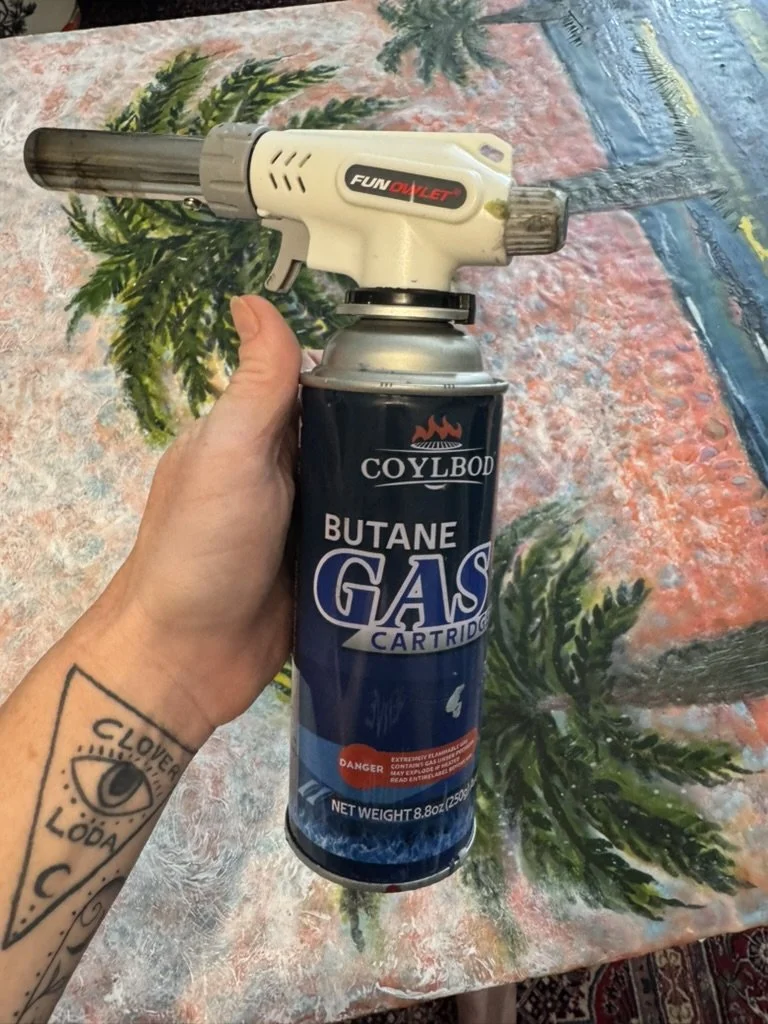
A Heat Gun or Torch: This is how each layer gets fused.
Carving and Scraping Tools: For texture, lines, and revealing what's underneath.
Good Ventilation: Always. Wax should be melted, never smoking.
How an Encaustic Painting Is Made, Step by Step:
Prepare the Panel: I start with a clean, raw wood panel or one primed with an absorbent encaustic gesso so the first layer can grab on.
Melt the Wax: Medium and colors go onto the warm palette and soften into something like warm honey.
Lay Down the First Layer: I brush a thin coat of clear medium across the panel. It cools almost instantly, which means you learn to move with intention.
Fuse It: I pass the heat gun or torch over the surface until the wax just begins to glisten. This bonds it to the panel. Every single layer gets fused, every single time.
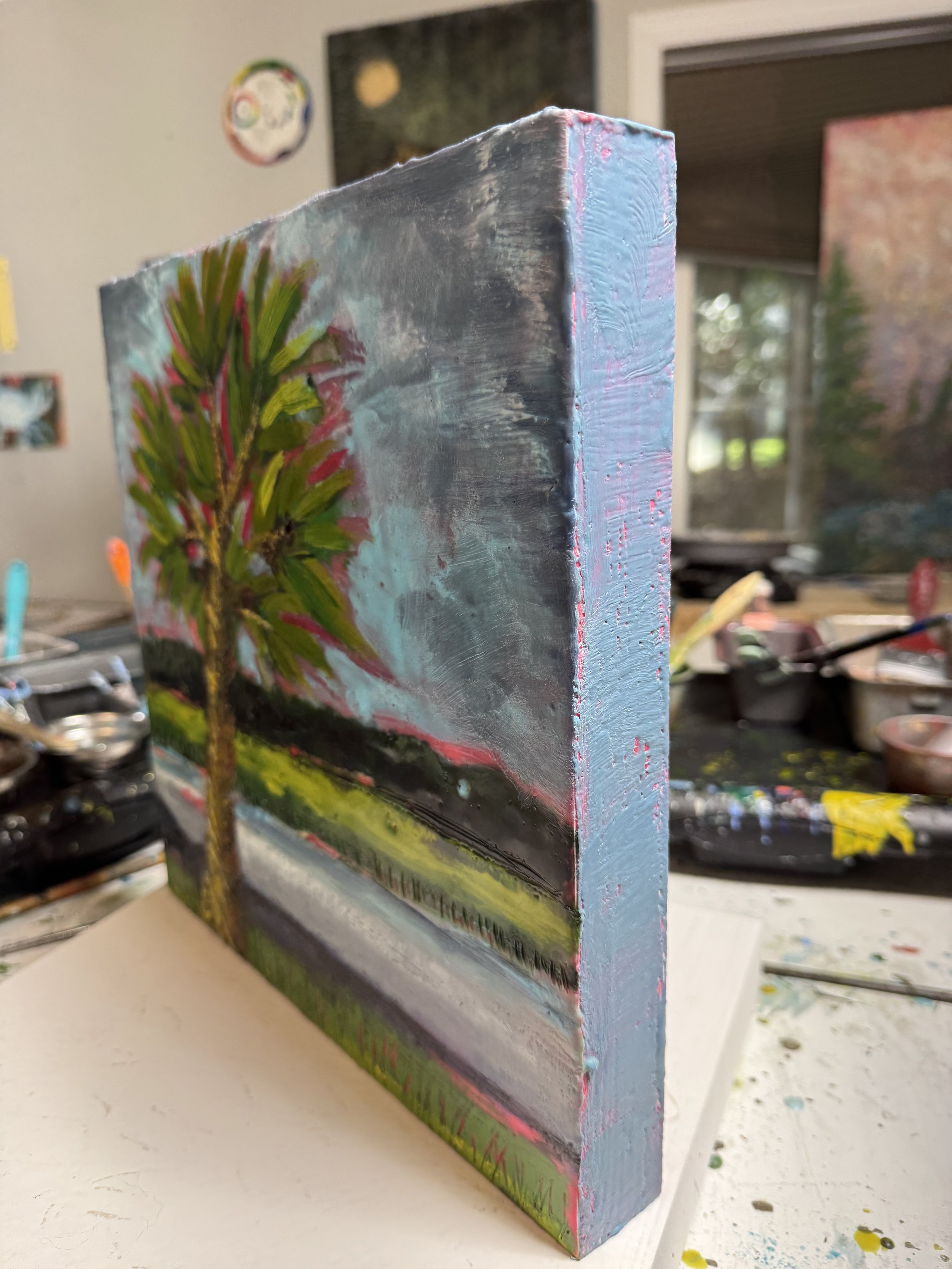
Build, Layer by Layer: Color, then clear medium, then more color. Each fused layer adds depth. Light travels down through the translucent wax and bounces back up, which is where that luminous glow comes from.
Carve, Scrape, and Reveal: Because the wax is soft once cool, I can scratch lines into it, scrape back to earlier colors, or press in texture. Sometimes I embed paper, fabric, or found objects between layers.
Let the Painting Lead: Wax rewards patience and surrender. Heat moves it in ways you can't fully control, and some of my favorite moments in a piece happened because I let go.
Buff the Finish: Once the painting has cooled completely, I buff it with a soft cloth. The surface deepens into a soft sheen that keeps growing over time as the wax cures.
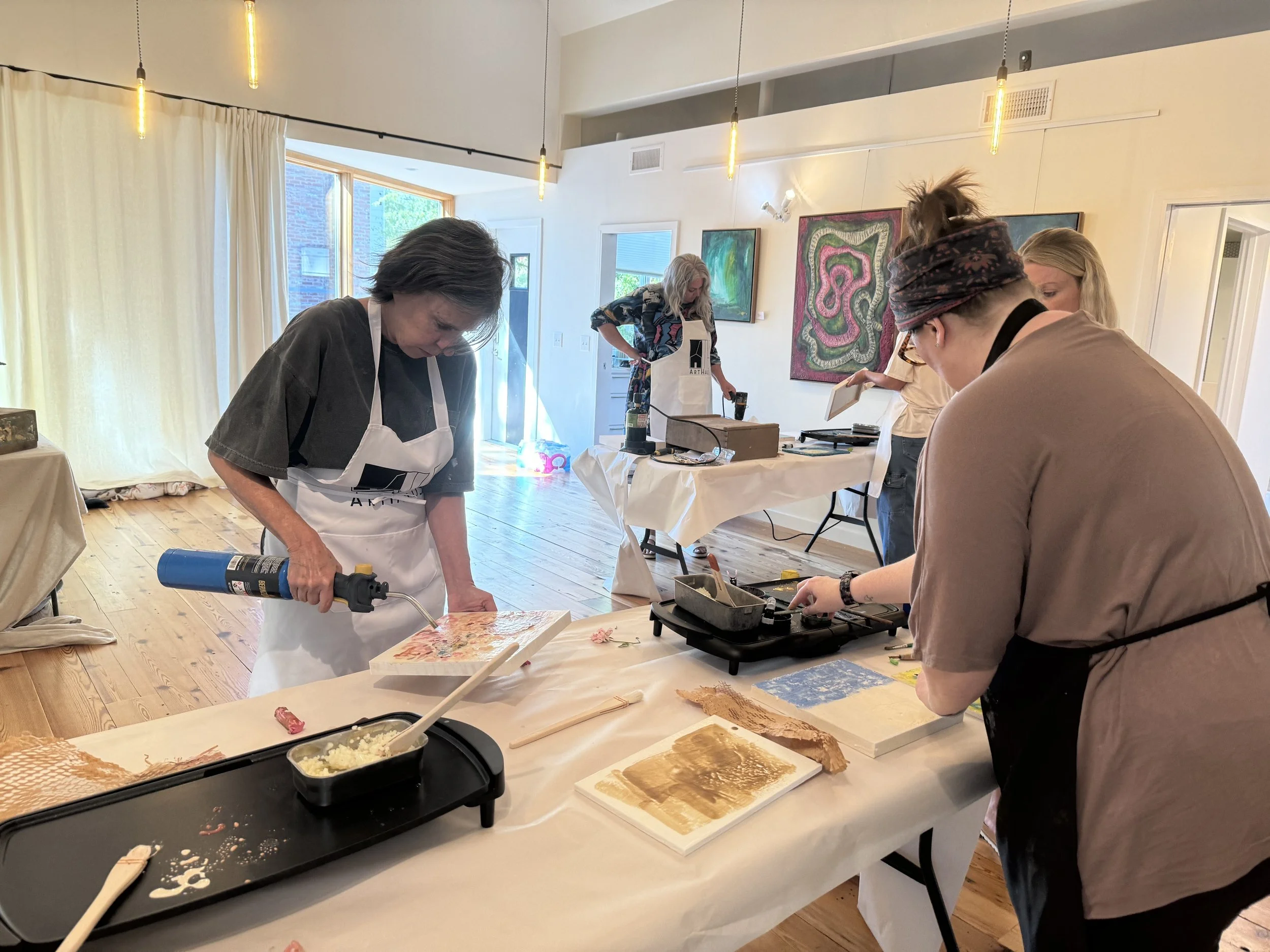
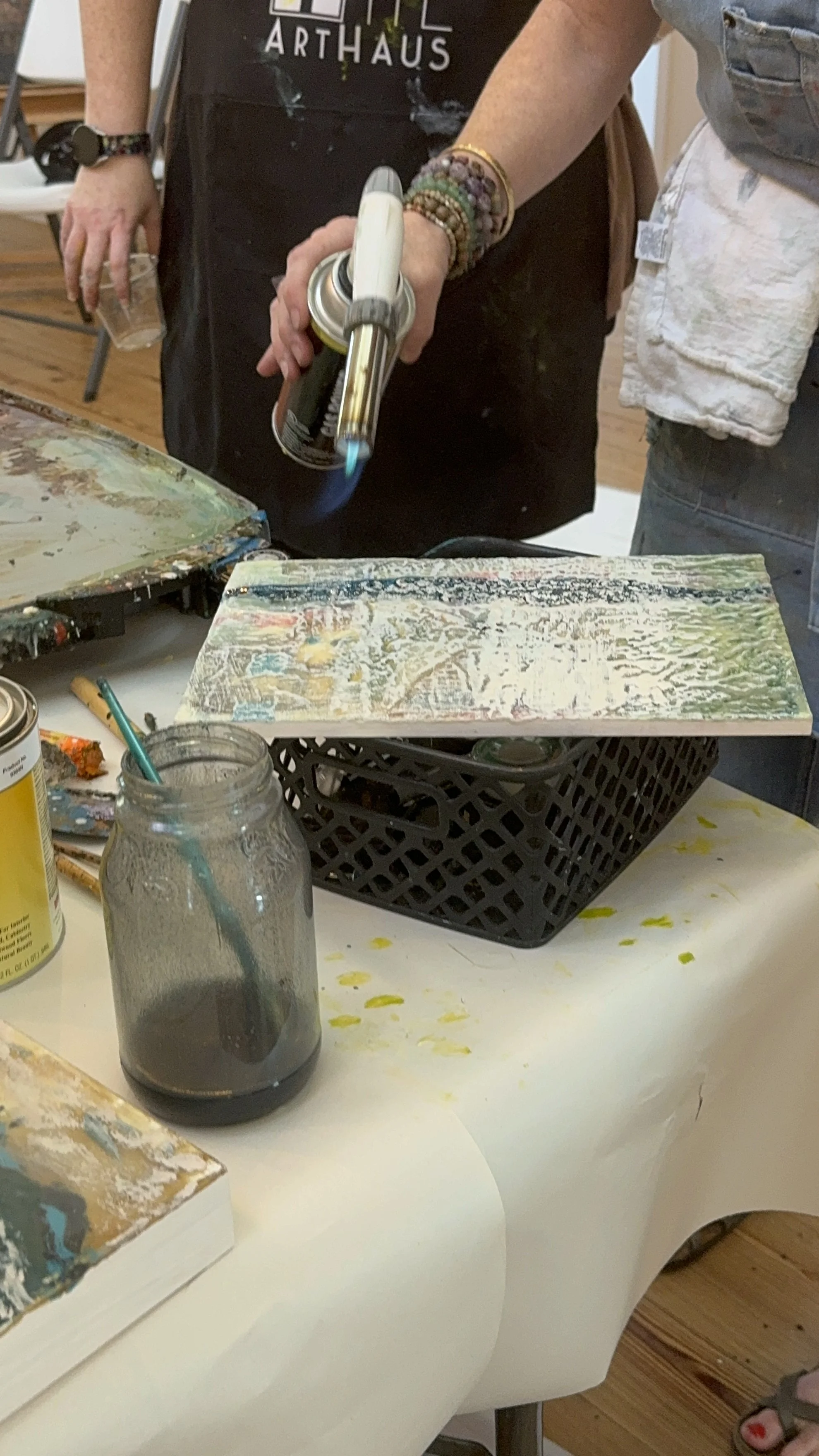
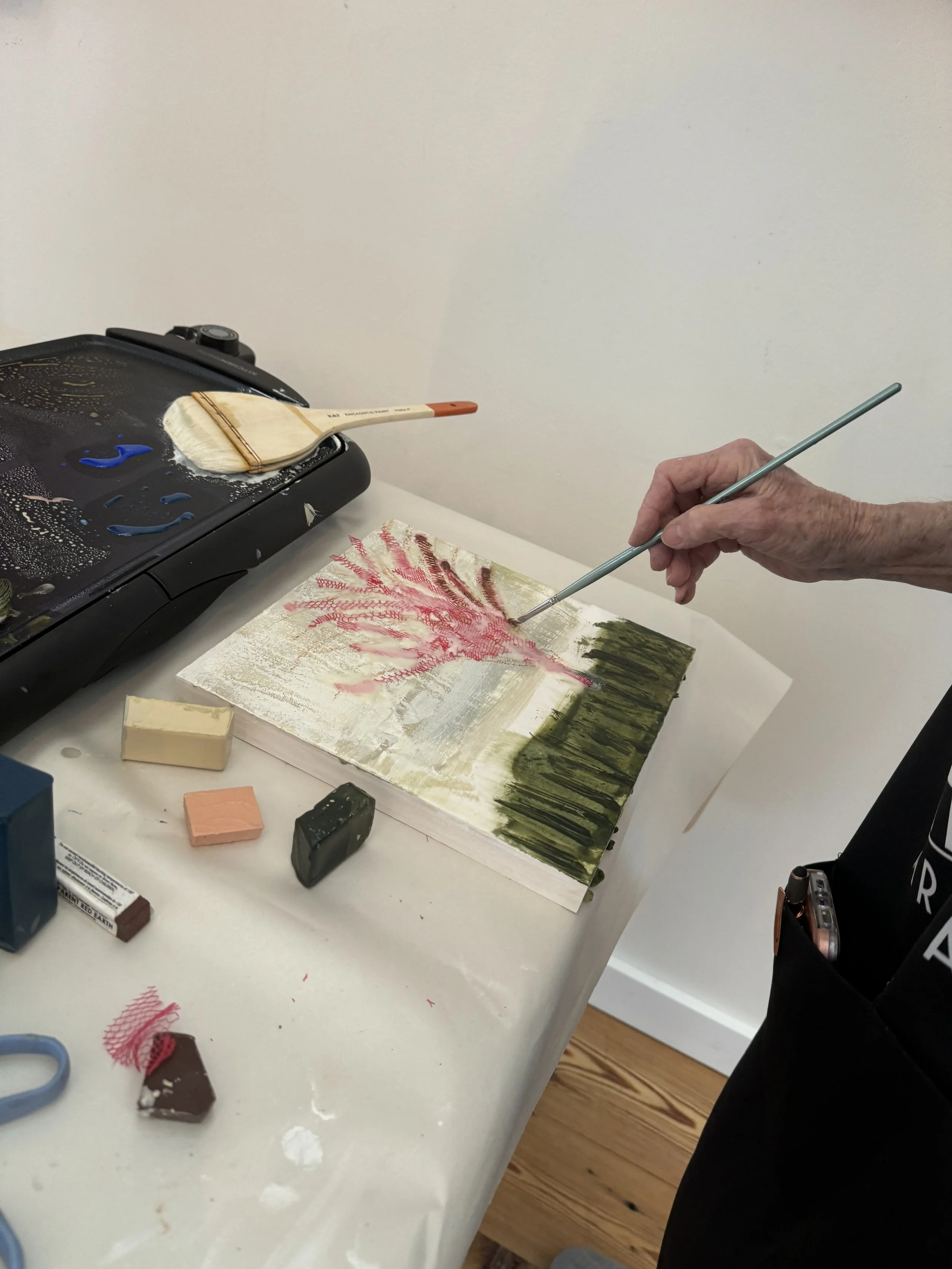
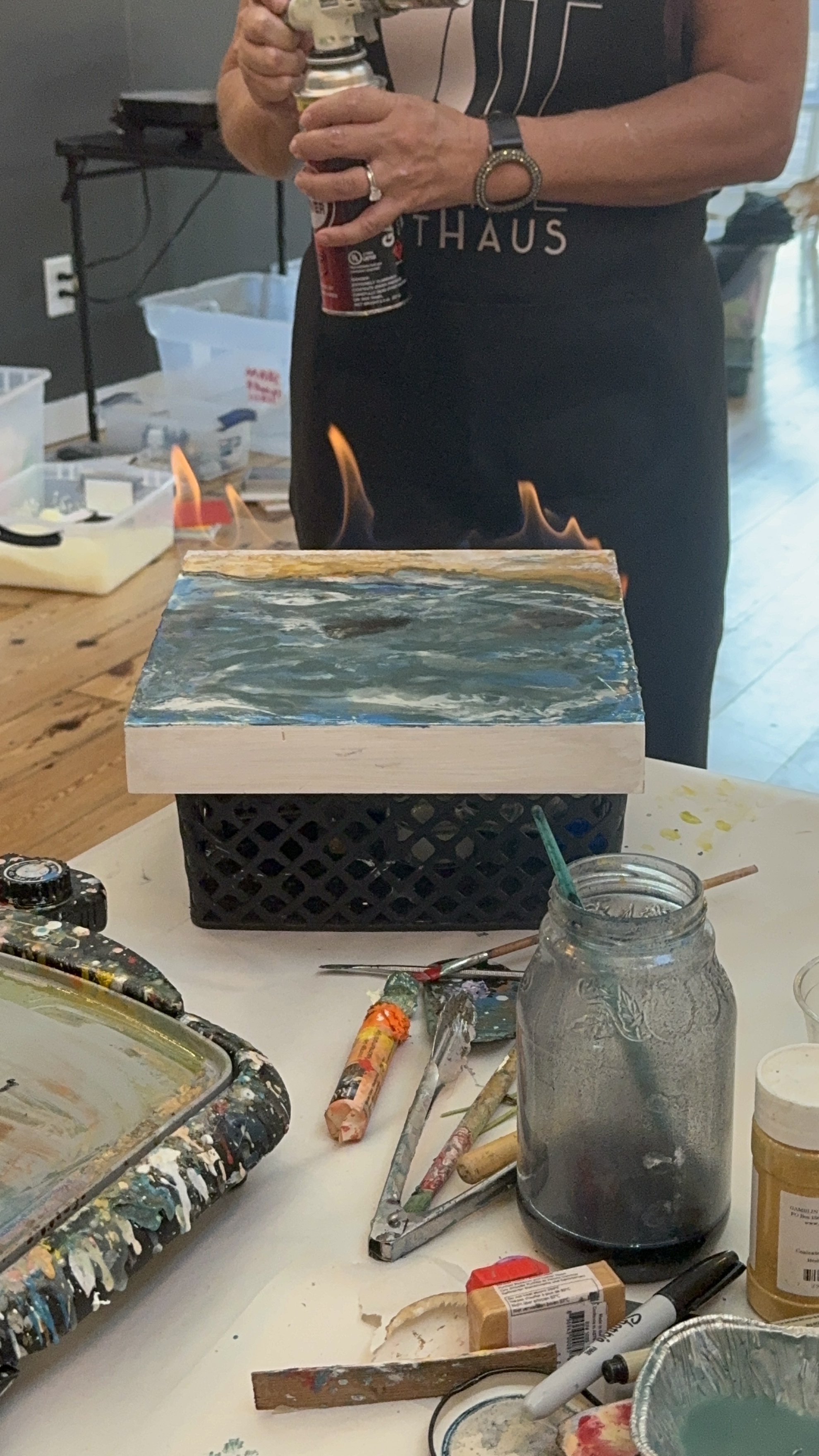
Encaustic is forgiving and demanding at the same time. You can always reheat, scrape back, and begin again. But you can't rush it, and you can't fake it. The texture is real. The depth is real. You can see every decision that went into a piece, layer upon layer, like the marsh mud and oyster beds outside my door. That honesty is what draws me back. And it's why I think people respond to these paintings the way they do.
Why I Fell in Love with Wax:
Encaustic is forgiving and demanding at the same time and offers instant gratification!
You can always reheat, scrape back, and begin again. But you can't rush it, and you can't fake it. The texture is real. The depth is real.
You can see every decision that went into a piece, layer upon layer, like the marsh mud and oyster beds outside my door. That honesty is what draws me back. And it's why I think people respond to these paintings the way they do.
Caring for an Encaustic Painting:
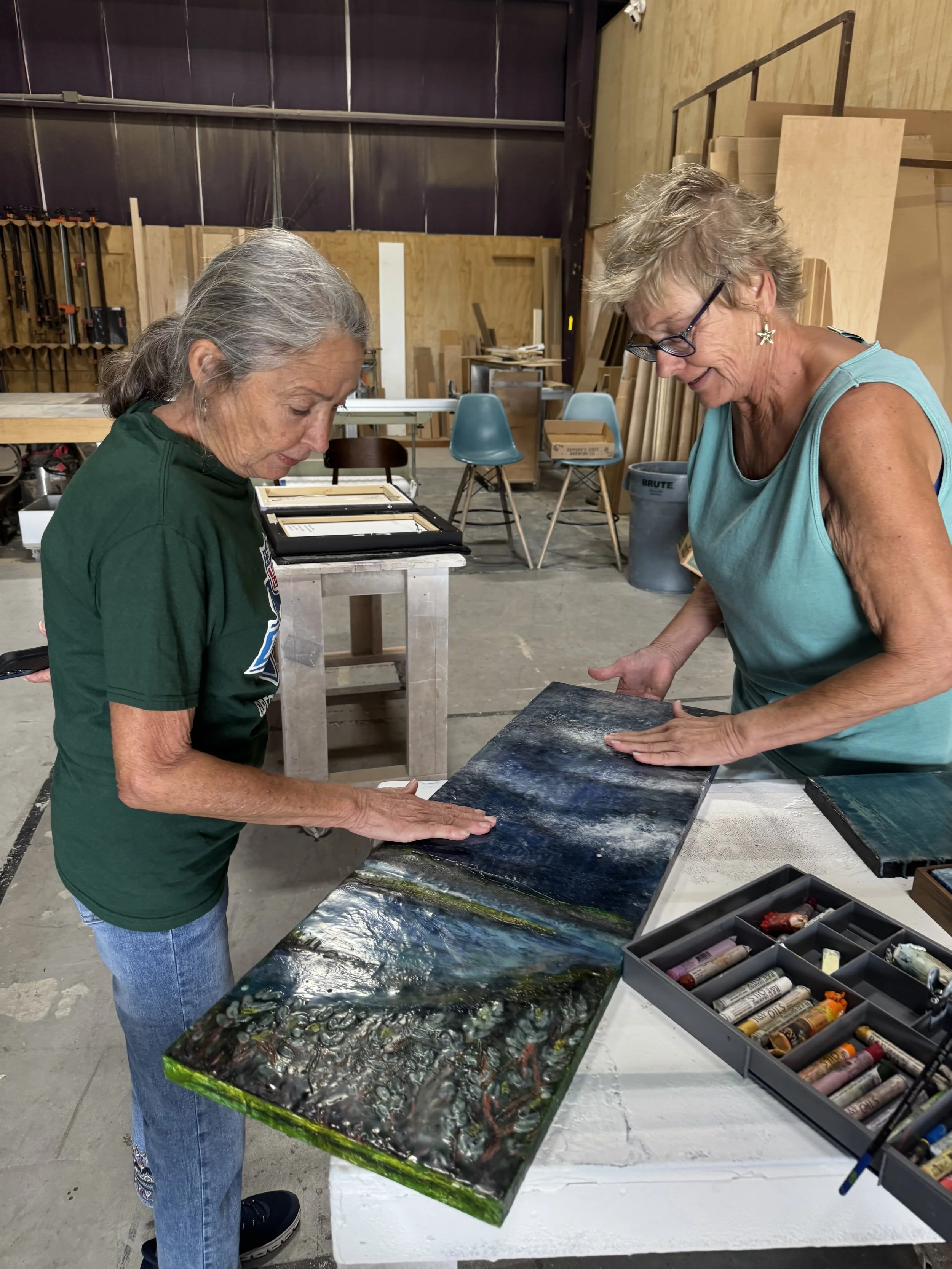
Encaustic is remarkably durable. Wax doesn't yellow, and it naturally resists moisture, which matters in our Lowcountry humidity.
A few simple things keep a piece beautiful for generations:
Keep it out of direct sun and away from heat sources. Never leave it in a hot car.
Dust it gently and buff it with a soft, lint-free cloth to bring the shine back.
Wrap it in parchment or wax paper, never plastic or bubble wrap touching the surface, when moving it.
Try It Yourself:
Reading about encaustic is one thing but FEELING the wax move under your brush is something else entirely. I teach beginner and advanced encaustic workshops at Bay Street Studios in downtown Beaufort, and no experience is needed. You'll leave with a finished painting and, if you're anything like me, a little bit of an obsession.
Explore our upcoming workshops, view available encaustic paintings, and ask about a commission here.
XOXO
Emily
